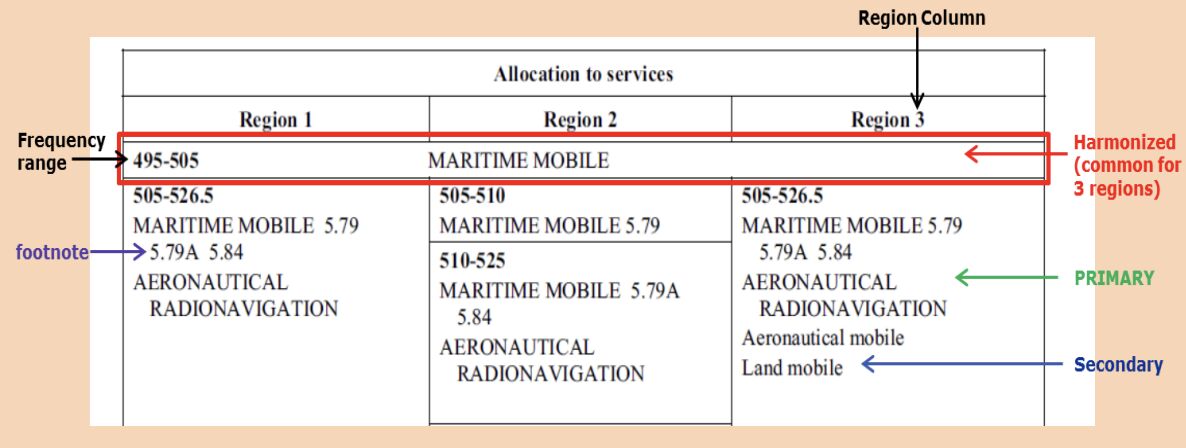
In my first post of 2026, I’d like to share a brief, practical overview of the radio spectrum—the actual blood of connectivity. The ITU Radio Regulations govern global spectrum use to ensure harmonised operation and to prevent cross-border interference.
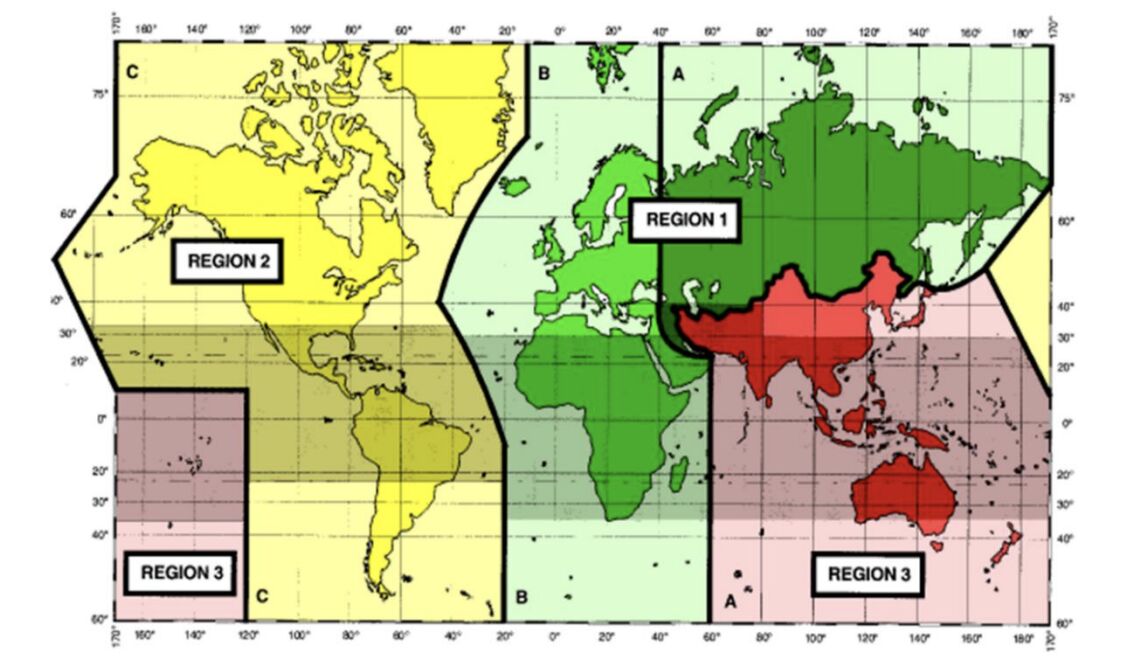
For regulatory purposes, the world is divided into three ITU Regions:
- Region 1: Africa, Europe, and parts of the Middle East.
- Region 2: The Americas.
- Region 3: Asia and Oceania.
National Level: Allocation vs. Assignment
While the ITU defines spectrum usage at a global level, national administrations implement these rules through local regulations via two key processes:
- Allocation: Designating frequency bands to specific radio services (e.g., allocating a band to the FIXED service).
- Assignment: Authorizing a specific radio station or network to operate on a particular frequency under defined technical conditions.
Service Status and Priority
When multiple services share the same frequency band, the ITU applies a priority framework to manage interference:
- Primary services (CAPITAL LETTERS): Have priority rights and are protected from harmful interference.
- Secondary services (normal text): Must not cause interference to primary services and cannot claim protection from them.