
? In 5G SA, NR will enable the service provisioning through gNB (gNodeB) which connects to the new core 5GC (5G Core Network) using NG Interface. ? According to GSMA, by […]

5G Standalone (SA) Will Change Telecom Industry
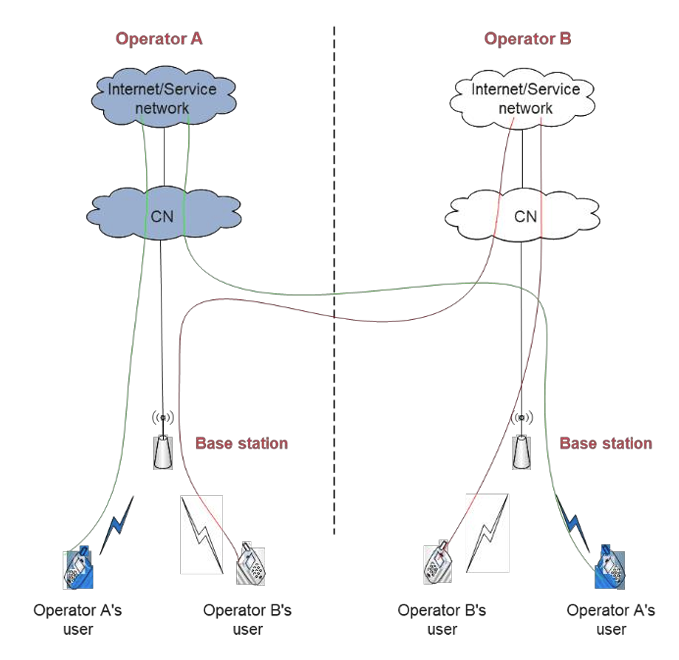
What is The Difference between MORAN and MOCN?
Mobile communication network sharing refers to the sharing of infrastructure or communication equipment among multiple operators. The infrastructure includes towers, buildings, and equipment rooms used for deploying base stations, whilst […]
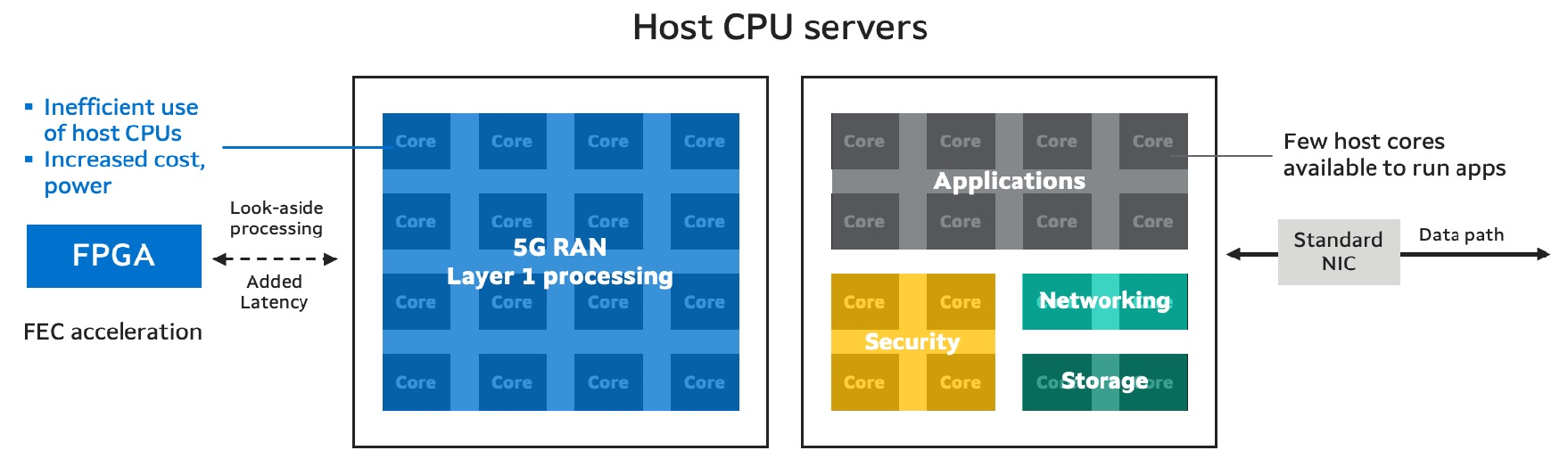
Layer 1 Network Functions are The Challengers of vRAN and Open RAN!
When we’re discussing vRAN and Open RAN topics, we’ll find ourselves facing some questions about the performance and cost. The highly common question is ” Can virtualized RAN deliver the […]
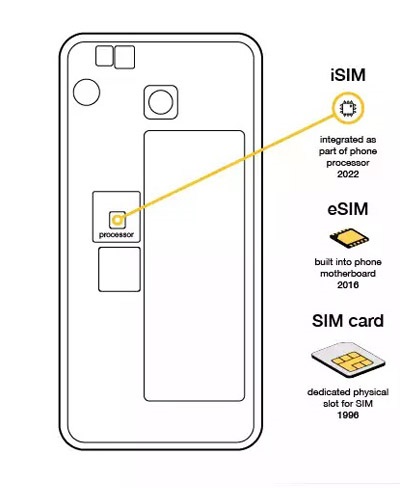
The Evolution from SIM-> eSIM -> iSIM
SIM (Subscriber Identity Module) is a reliable method of identifying users, checking the authenticity of endpoint devices, and securing their data. ? Over the years, SIMs have shrunk from the […]
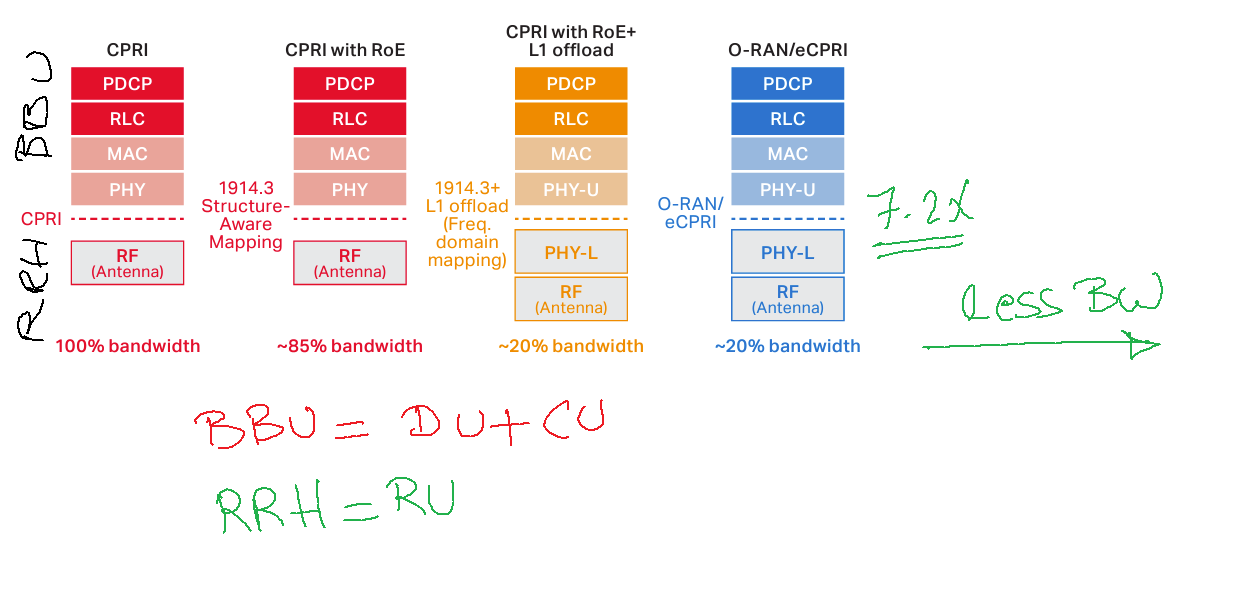
The Road from CPRI to eCPRI/ORAN Fronthual
As we know that RAN, Radio Access Network, is divided into two main components: -> Baseband Unit (BBU). -> Radio Unit (RU). The move from D-RAN to C-RAN then v-RAN […]
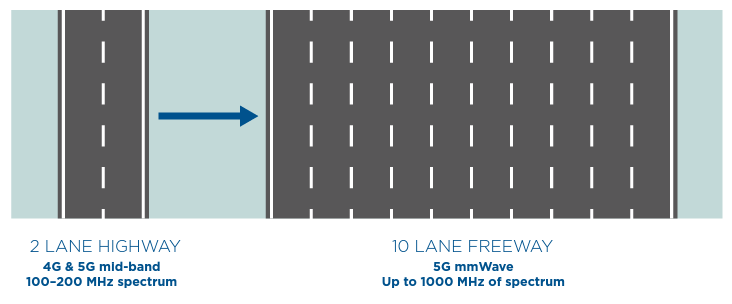
5G mmWave Spectrum Notes
All notes you should know about 5G mmWave Band. ? 5G mmWave refers to the higher range of radio frequencies (above about 24 GHz) supported by 5G. Also, it’s called […]

SMS Evolution from 2G to 5G
SMS, Short Message Service, is a secure system that helps protect your customers’ and employees’ data and allows you to contact all users who have a mobile phone. ? In […]
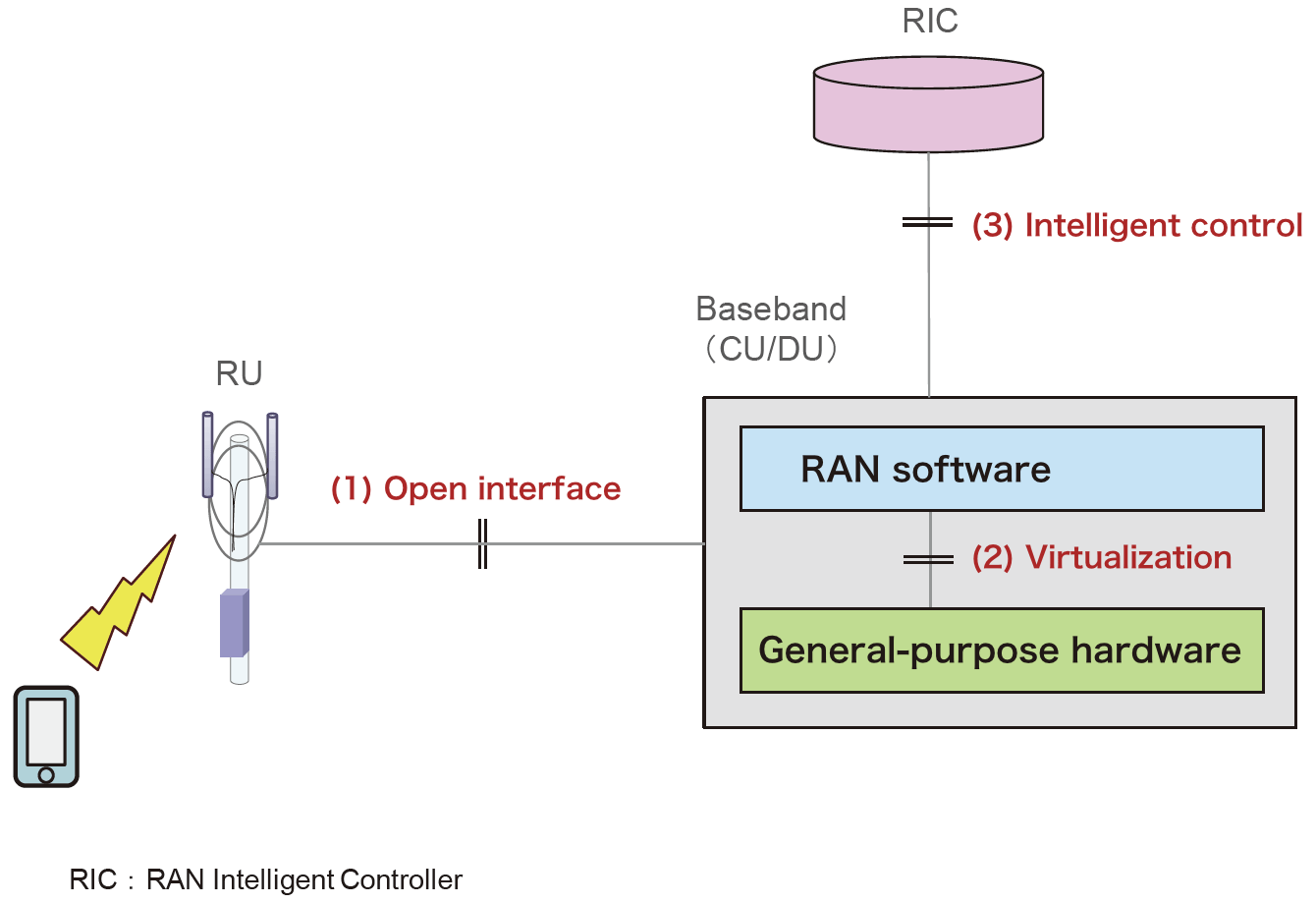
Open RAN Main Elements
The open radio access network or Open RAN can be broadly divided into the following three elements: Open interfaces that combine RAN equipment from a variety of vendors. Virtualization (i.e., […]
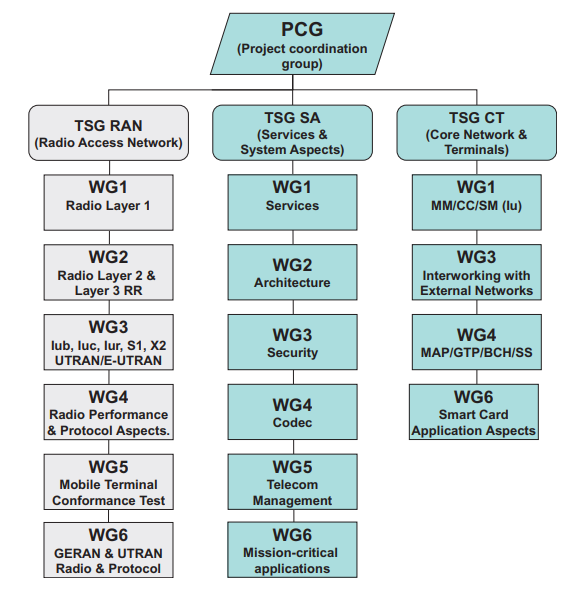
3GPP RAN Technical Specifications Groups (TSGs)
3GPP consists of three Technical Specifications Groups (TSGs) where TSG RAN (Radio Access Network) is responsible for the definition of functions, requirements, and interfaces of the Radio Access. TSG RAN […]
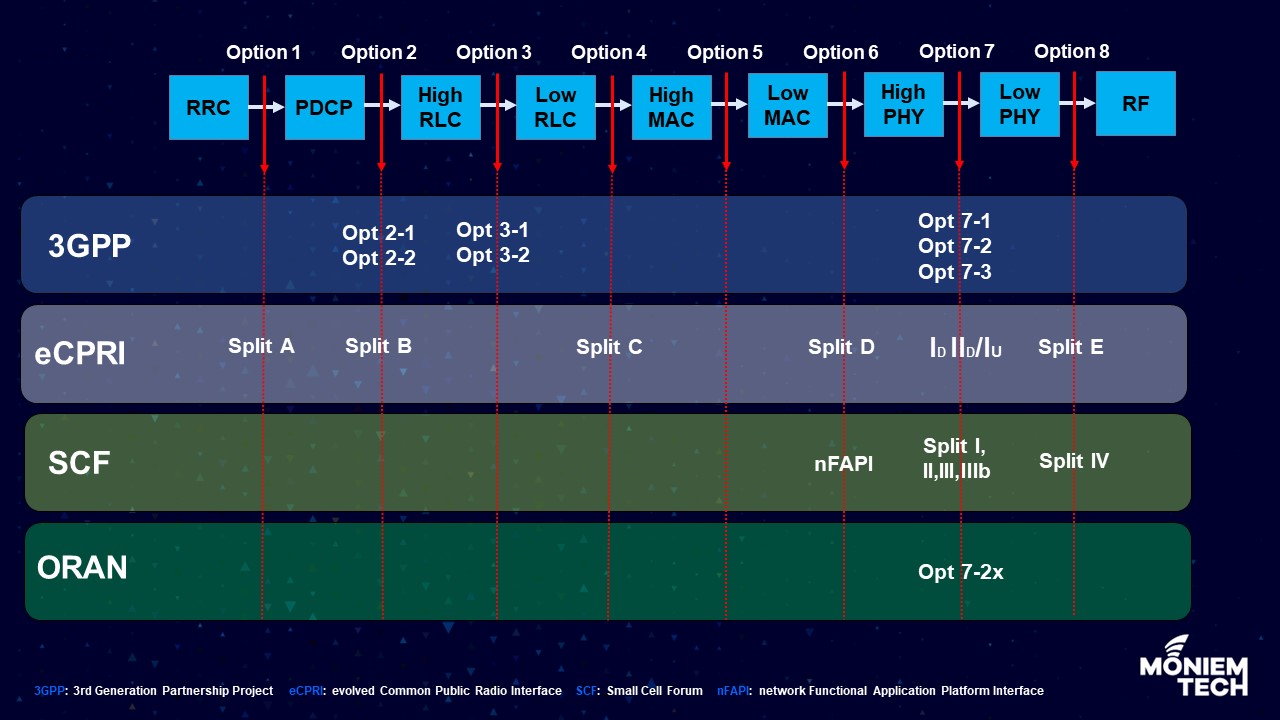
What is The Relation between eCPRI, Option 7, Option 7-2x and Split E?
The increase in data rates in 5G makes it impractical to continue with the conventional CPRI fronthaul implementation. Moving towards a higher layer split would relax the latency and bandwidth […]
Why CPRI is not used in 5G Network?
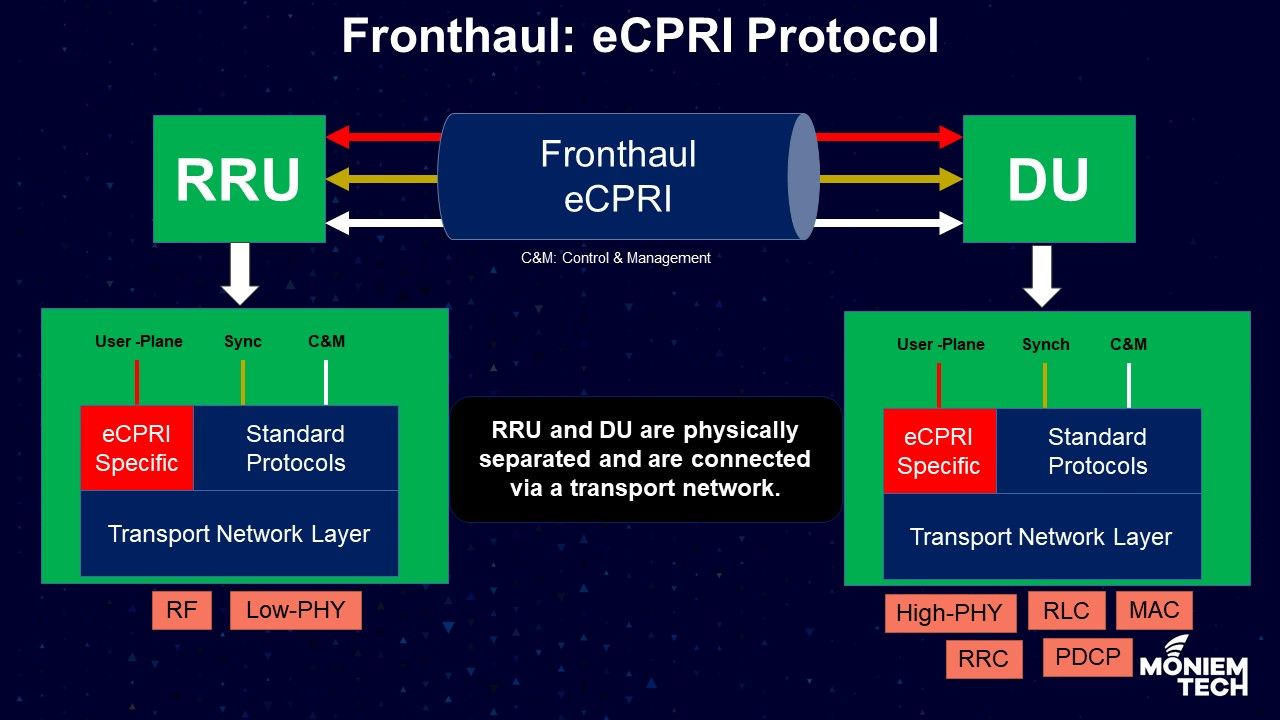
As I received many messages during the last week about the eCPRI topic in 5G and OpenRAN, I prepared some notes about this. eCPRI is replacing the CPRI protocol in 5G to reduce […]