
Introduction The 5G is expected to fulfill the needs and business contexts of 2020 and more. It is expected to enable a fully mobile and connected society, related to the huge […]

5G 3GPP NR Frame Structure

Sparse Code Multiple Access [SCMA] for 5G New Radio [NR]
Introduction New Radio (NR) is a newly approved study item in 3GPP, focusing on the design of the next generation (5G) air interface. 5G air interface is intended for having […]
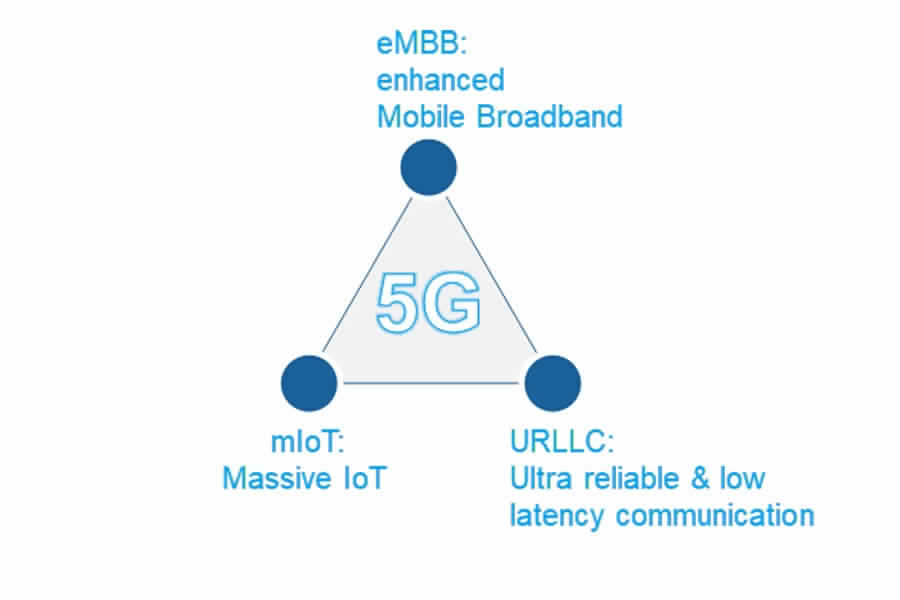
5G Use Cases. Nice Story!
Through my research I found this nice story that illustrates the three main use cases for 5G: To understand the three broad use cases that 5G wireless technology seeks to […]

5G Core Network Flexibility
5G Core Network End-to-end flexibility is confirmed to be one of the core features of future 5G networks. This flexibility will result in large part from the introduction of network […]

The Evolution of Security in 5G
Introduction 5G will give a diverse and new set of services and use cases affecting nearly every aspect of our lives. But to exceed all expectations, 5G-enabled services and applications […]
Why Should Operators Care about 5G Now?
Introduction The December 2017 deadline for the primary set of New Radio (NR) technical specifications, known as early drop out/December acceleration, was finally achieved. – This acceleration was originally motivated […]

Network Slicing in 5G
Introduction: The 5G system has the aspiration of responding to the widest variety of services and implications in the history of mobile and wireless communications listed in: Enhanced mobile broadband (eMBB). […]

VoLTE Call Flow
VoLTE Call Flow: Turing on the VoLTE-enabled devices (e.g., smartphones) connects it to the LTE network infrastructure. Then, two default EPS bearers are assigned – one for SIP signaling with […]
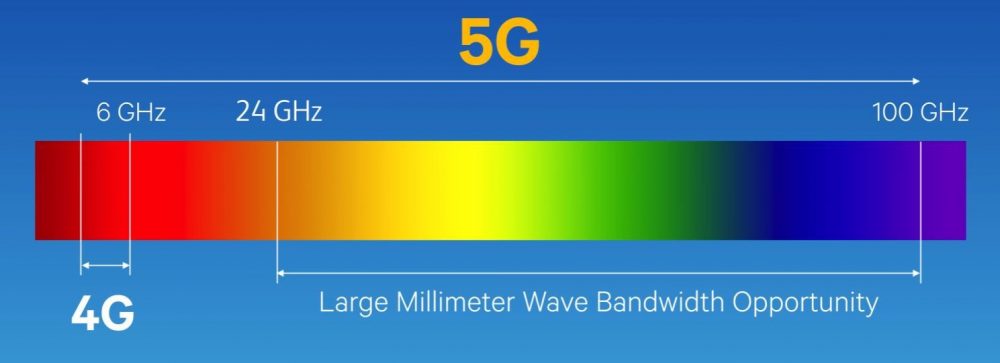
mmWave at 5G “Challenges & Suggested Solutions”
What Is mmWave? Millimeter wave is the band of spectrum between 30 to 300 GHz. it is also known as extremely high frequency. This spectrum can be used for high-speed […]

Voice Over 5G “Vo5G”
Introduction: As the standardization of 5G at the first stage has been successfully completed, 5G networks will be put into commercial use. When deploying 5G networks, carriers have to think […]
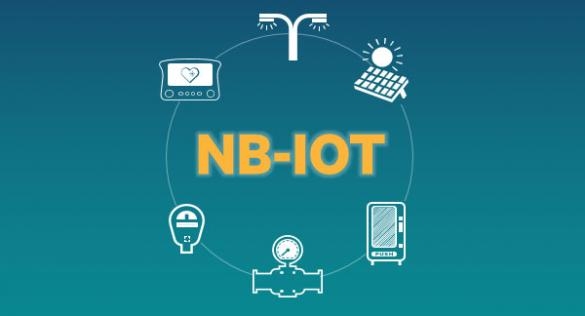
Narrowband Internet of Things (NB-IoT)
Why NB-IoT? The broad spectrum of capabilities is one of the main characteristics of Machine Type Communication (MTC). For instance, surveillance cameras deliver a massive amount of UL data while […]